Skip to content
MoodSupplement

Evidence-aware mood & stress support

Calm, honest write-ups of the supplements people reach for when their mood is low.

No miracle claims. Each profile rates the real strength of the evidence, names the cautions plainly, and points you back to professional care where it belongs.

Where most people start

Our top picks

See all 10 →

How we rate the evidence

Emerging — Early or limited studies.
Moderate — Consistent across several studies.
Well-studied — Multiple RCTs and a meta-analysis.

Reviewed by Enoch C., MSc · Specs hand-verified · No sponsored placements · Our editorial & evidence standards →

The shelf

Featured supplements

See all 10 →

Essential fatty acids

Moderate evidence

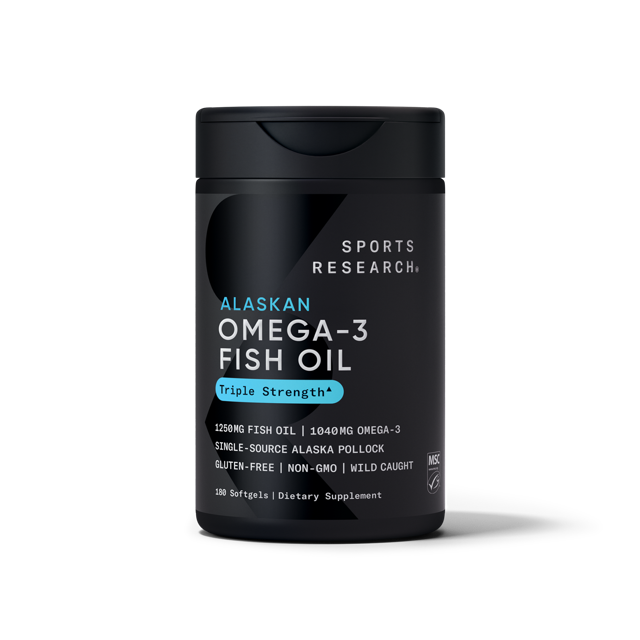
Omega-3 Fish Oil (EPA & DHA)

EPA / DHA marine lipids


The marine fats your brain is partly built from. When mood runs low, an EPA-rich omega-3 is among the better-studied nutrients worth raising with your doctor — a supportive nutrient alongside diet and care, never a treatment on its own.

Read the full profile →

Vitamin

Moderate evidence

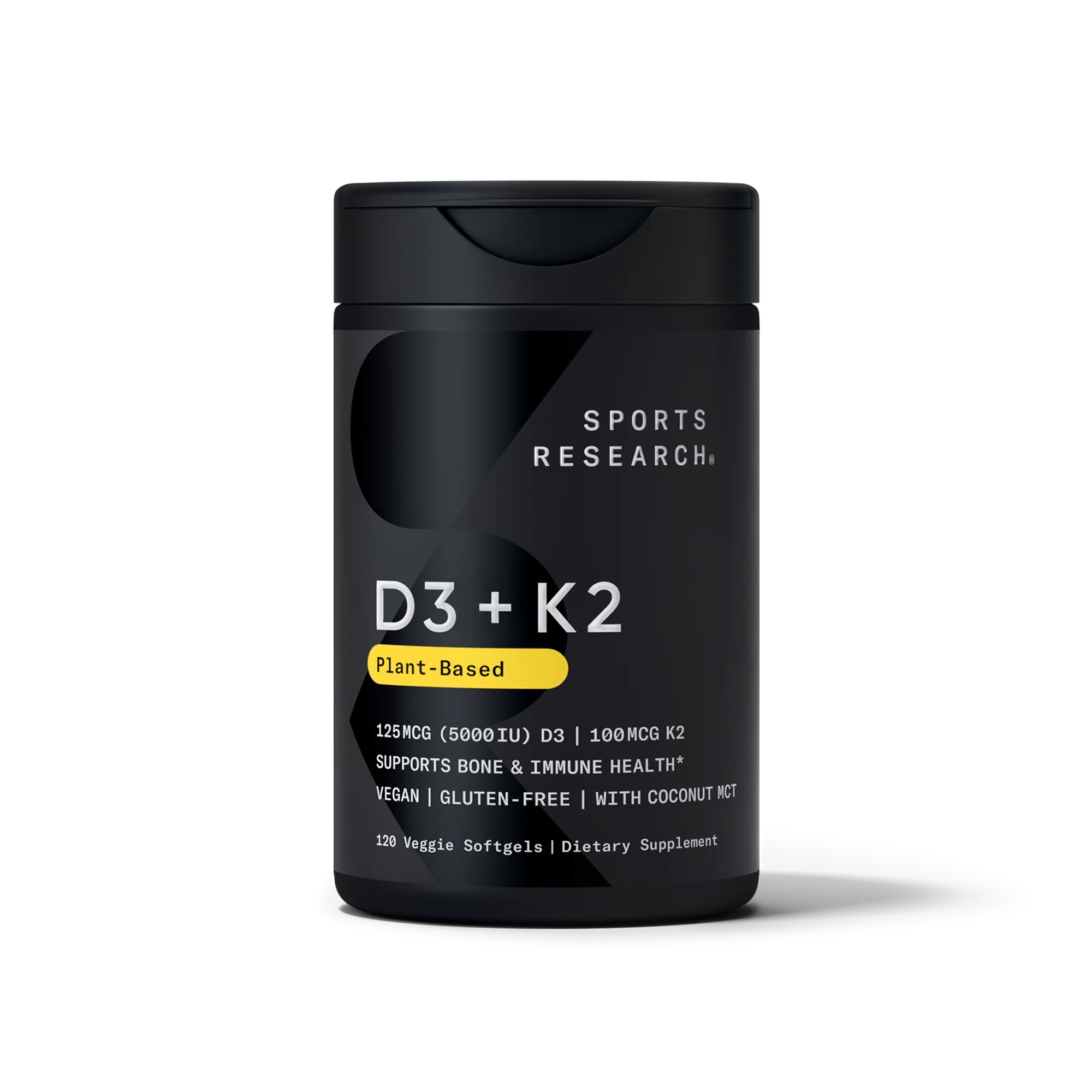
Vitamin D3

Cholecalciferol


The 'sunshine vitamin' doubles as a hormone precursor involved in brain function. Low vitamin D status is consistently linked with low mood — especially in winter and indoor lifestyles.

Read the full profile →

Mineral

Moderate evidence

Magnesium Glycinate

Magnesium bisglycinate chelate


A gentle, highly absorbable form of magnesium — the mineral your nervous system uses to downshift. A favorite for evening wind-down, stress resilience and sleep quality.

Read the full profile →

Vitamin

Moderate evidence

Vitamin B-Complex

B6 · B9 (folate) · B12 and co-factors


The quiet co-factors your brain leans on to build its own neurotransmitters. When B12 or folate run low, fatigue and flat mood often follow — which is why they're worth getting right before reaching further.

Read the full profile →

Adaptogen

Moderate evidence

Ashwagandha (KSM-66 / Sensoril)

Withania somnifera


The adaptogen people reach for when stress feels relentless. It's the most studied root for everyday tension — standardized extracts like KSM-66 have, in several trials, eased perceived stress and cortisol against placebo.

Read the full profile →

Amino acid

Moderate evidence

L-Theanine

γ-glutamylethylamide


The amino acid that makes green tea calming rather than jittery. L-theanine promotes a state of relaxed alertness without sedation — useful for stress and focus alike.

Read the full profile →

The journal

Latest reading

All posts →

ashwagandha

Ashwagandha and Sertraline: Safe?

Can you take ashwagandha with sertraline? Usually low-risk, but added sedation and thyroid effects make a quick check with your prescriber worth it first.

magnesium-glycinate

Glycine vs Collagen

Glycine vs collagen: collagen is roughly a third glycine, so they overlap. Glycine is the isolated amino for sleep and calm; collagen targets skin and joints.

l-theanine

Lemon Balm vs Bee Balm

Lemon balm vs bee balm: alike in name, different plants. Lemon balm is the calming herb with sleep and stress research; bee balm is mostly a culinary tea.

If you're struggling

A supplement is never the most important step.

If low mood is getting in the way of your life, talking to a doctor or therapist will do more than anything on our shelf. If you need support right now, help is free and confidential.

Find support