Anxiety guide
Best Supplements for Anxiety: What the Evidence Supports
Four supplements studied for everyday anxiety: L-theanine, ashwagandha, magnesium and saffron. What each supports, and where support ends and care begins.
Our top pick: Doctor's BestUpdated July 2026

An anxiety supplement is a nutrient or plant extract taken to support a calm, normal response to everyday pressure, not to treat an anxiety disorder. The boundary is worth stating plainly, because anxiety that is persistent, disrupts your life, or comes with panic is a medical issue with effective treatments, and none of the supplements below is one of them. What the evidence supports is modest help with situational, everyday nerves. Here is what each option actually does, and how to match it to your timing.
If anxiety is a regular presence rather than an occasional visitor, please start with our note on getting help first; it comes before any supplement.
L-theanine: the only one you feel acutely
L-theanine, an amino acid from tea, is the outlier here because it works now rather than over weeks. It promotes a calm-but-alert state, usually within 30-60 minutes, without sedation, which makes it the natural pick for in-the-moment nerves before a meeting, a flight, or a hard conversation. Evidence tier: Moderate. Our L-theanine and calm focus review covers the research, and the L-theanine pick uses a standardized form.
Ashwagandha: for ongoing, cortisol-driven tension
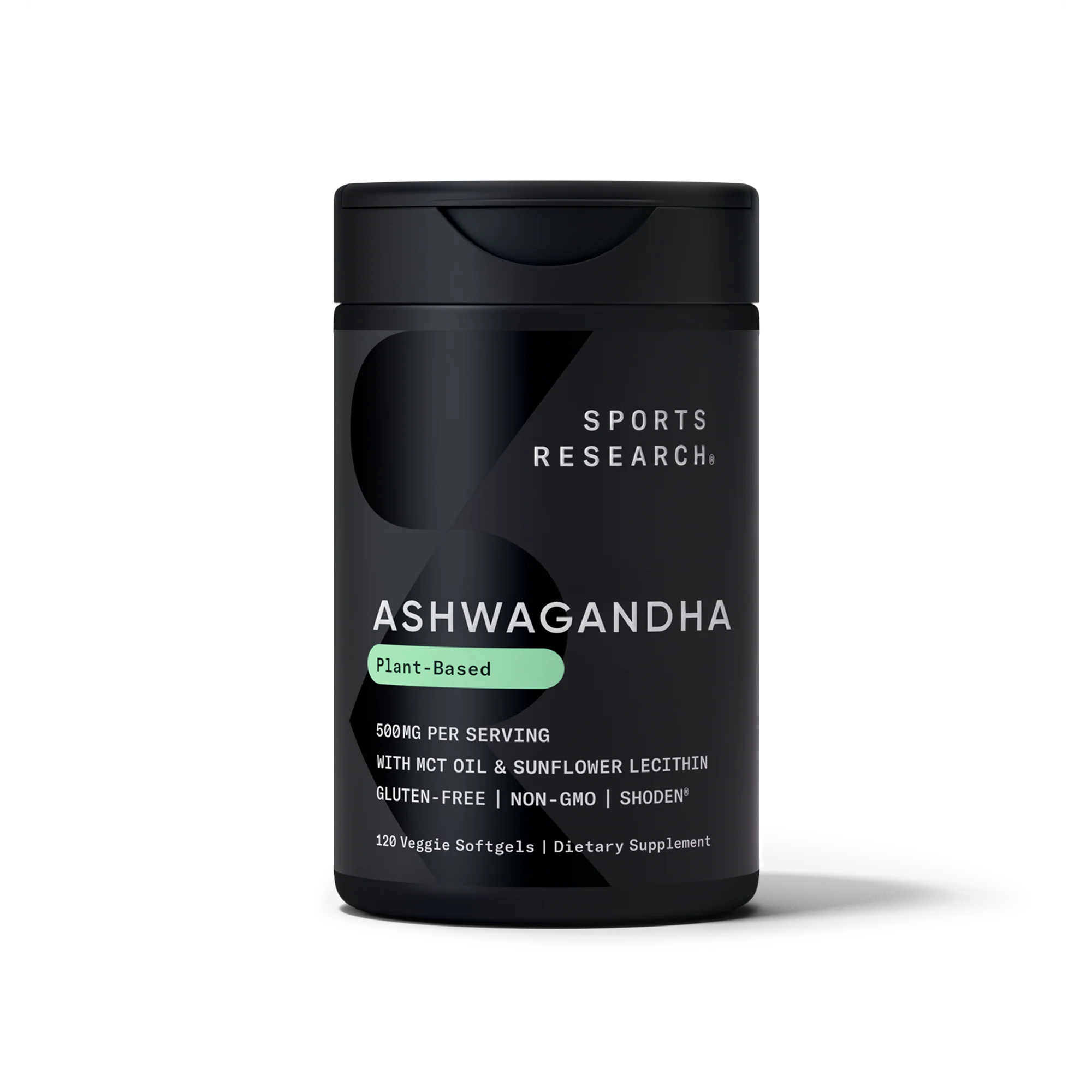
Where L-theanine is fast and short, ashwagandha is slow and cumulative. It has the most direct human evidence for lowering cortisol over several weeks, which fits anxiety that reads as chronically wired rather than acutely spiked. Evidence tier: Moderate, from trials that are consistent in direction but often small. Our ashwagandha and cortisol evidence breaks down the trials; the ashwagandha pick uses a clinically-trialed extract. Expect to give it 6-8 weeks, not an afternoon.
Magnesium glycinate: the gentle baseline
Magnesium supports the systems involved in relaxation, and the glycinate form is well absorbed and easy on the gut. It is a gentle, low-drama option, particularly if anxiety also disrupts your sleep. Evidence tier: Moderate. Our magnesium glycinate dosage for anxiety covers what the research actually uses, and the magnesium glycinate pick has the label details.
Saffron: a plant option with small trials
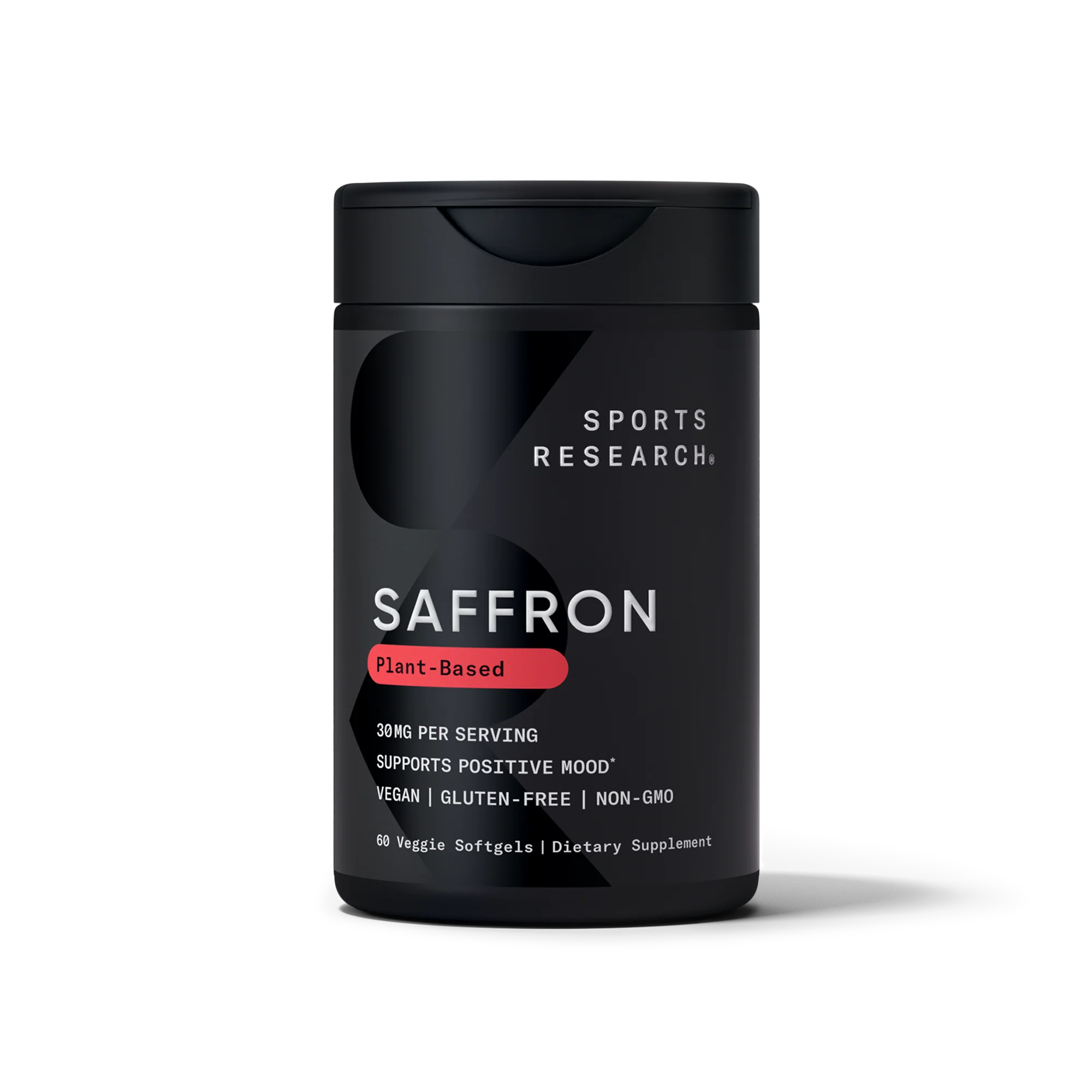
Saffron extract has a run of small randomized trials for mood and anxiety that are more consistent than its sample sizes would predict. Evidence tier: Moderate, with standardization doing a lot of the work, and underdosed products are common. Our saffron for mood research explains how to spot a real one; the saffron extract pick uses a trial-matched dose.
How to choose
Match the supplement to your timing. Sudden, situational nerves: L-theanine, felt within the hour. Ongoing, stress-driven tension you want to bring down over weeks: ashwagandha. A gentle daily baseline, especially with disrupted sleep: magnesium glycinate. A plant option to try: saffron. Two of these overlap with our stress guide and sleep guide, which is worth knowing if your anxiety travels with those.
Add one supplement at a time so you can tell what helps, and talk to a doctor or pharmacist first, especially if you take any prescription medication. This page is general information, not medical advice; please read our disclaimer.