Energy & fatigue guide
Best Supplements for Energy and Fatigue: The Evidence
Three supplements studied for energy and fatigue: B-complex, rhodiola and vitamin D. What each supports, when a deficiency is the real issue, and the limits.
Our top pick: ThorneUpdated July 2026

An energy supplement, in plain terms, is a nutrient that helps your body produce energy when something is missing. It is not a stimulant, and not a treatment for the medical causes of fatigue. That distinction earns its keep here, because persistent or unexplained tiredness can point to thyroid problems, anemia, or a sleep disorder, and no supplement here addresses those. What the evidence supports is correcting shortfalls and taking the edge off stress-related fatigue. Here is what each option actually does.
If fatigue is persistent, worsening, or came on without an obvious reason, that is a reason to see a clinician. Please read our note on getting help before reaching for a supplement.
B-complex: cofactors, not a stimulant
B vitamins are the cofactors your cells use to convert food into usable energy, which is why a genuine shortfall shows up as fatigue. Supplementing helps when you are low; it does not add energy on top of adequate levels the way a stimulant would. Evidence tier: Moderate, and conditional on your starting status. Our B vitamins and mood piece separates what is established from what is extrapolated, and B-complex dosage covers how much is sensible. The B-complex pick uses active forms.
Rhodiola: for stress-related fatigue specifically
Rhodiola rosea is an adaptogen studied more for the fatigue side of stress than for calm: the mental and physical drain that comes with being under pressure. Evidence tier: Moderate, pointing to reduced stress-related fatigue rather than a general energy boost. It fits tiredness that travels with stress and foggy thinking, not tiredness from poor sleep. Our ashwagandha vs rhodiola comparison explains which adaptogen suits which pattern; the rhodiola pick is standardized to rosavins and salidroside.
Vitamin D: test before you treat
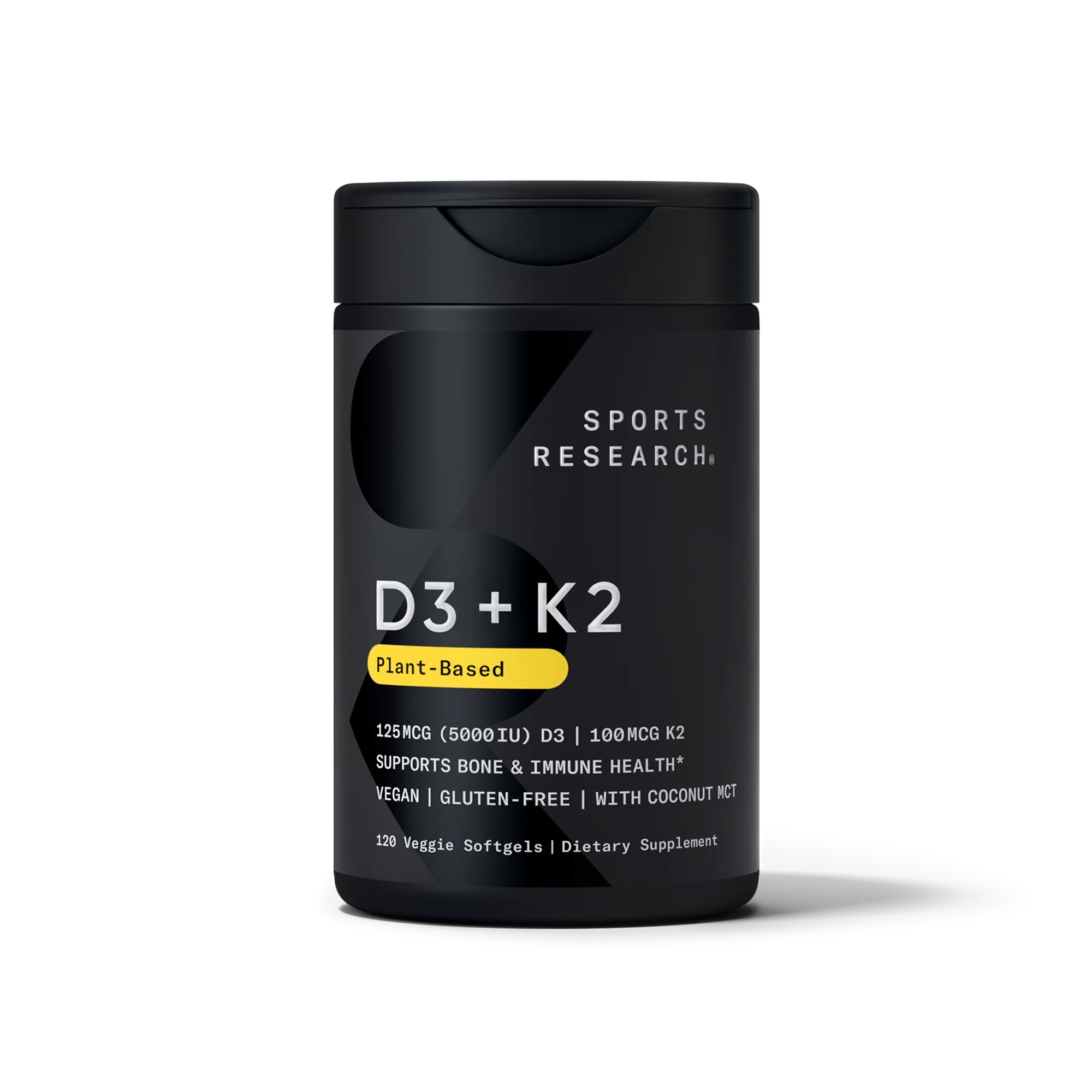
Vitamin D is worth checking if fatigue is a theme. Low vitamin D is associated with tiredness, and correcting a real deficiency may help, but topping up an adequate level has not shown a clear benefit. Evidence tier: Moderate, conditional on your starting level. The vitamin D3 pick pairs D3 with K2. Testing beats guessing here.
How to choose
Work out what is actually draining you. If your diet or absorption might leave you short, B-complex addresses the bottleneck, but it is not a caffeine substitute. If fatigue comes with stress and mental fog, rhodiola targets that specific pattern. If you have reason to suspect low vitamin D, test and then supplement if you are low. B vitamins also support the stress response itself, which we cover in B vitamins for stress and adrenal support and the stress guide. None of this replaces the real levers for energy: sleep, food, and movement.
Add one supplement at a time so you can tell what helps, and talk to a doctor or pharmacist first, especially if you take other medication. This page is general information, not medical advice; please read our disclaimer.