Gut & mood guide
Best Supplements for Gut Health and Mood: The Evidence
Two supplements sit at the gut-brain intersection: a mood-studied probiotic and omega-3. What the early evidence supports, and where it is still emerging.
Our top pick: InnovixLabsUpdated July 2026

The gut-brain axis is the two-way communication between your digestive system and your brain, through nerves, immune signals, and molecules that gut bacteria produce. It is the reason “gut health for mood” is a real research area rather than a slogan. Be clear-eyed about the stage, though: this is the most emerging corner of the mood-supplement world. What the evidence supports is early and strain-specific, not settled. Here is what each option actually does, stated as plainly as the evidence allows.
If low mood or digestive symptoms are persistent, that is a matter for a clinician rather than a supplement. Please see our note on getting help.
A mood-studied probiotic: promising, but early
The mood research on probiotics centers on specific named strains, not probiotics in general, and that distinction is everything. A product built from the strains used in the trials is a different thing from a generic probiotic chosen by bacteria count. Evidence tier here is Emerging, the most tentative on this site, so treat it as a promising experiment, not an established fix. Our gut-brain axis and probiotics piece covers how the mechanism works and which strains are studied; the gut-brain probiotic pick is built from trial-matched strains. If you are weighing it against enzymes, probiotic vs digestive enzymes explains the difference.
Omega-3: the broader-evidence companion
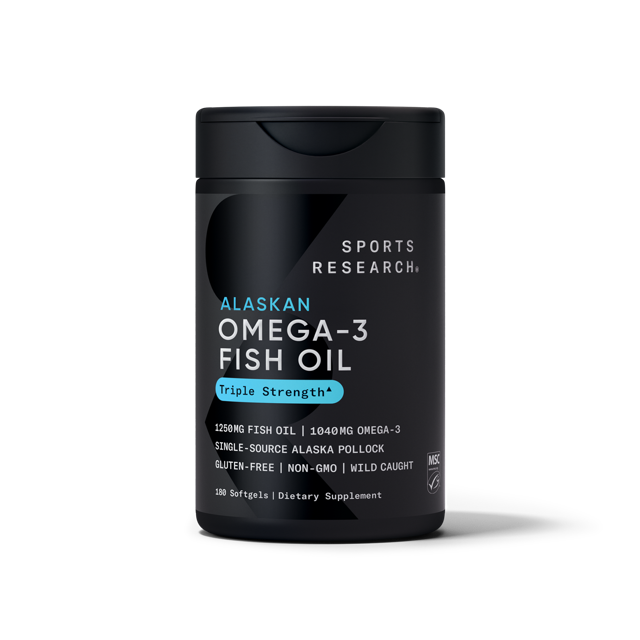
Omega-3 fish oil has the deeper mood evidence base of the two, and its anti-inflammatory activity is relevant to gut health, so it sits sensibly alongside a mood-studied probiotic. Evidence tier: Moderate for mood, stronger than the probiotic’s. It is support at the intersection rather than a targeted gut-brain treatment. The omega-3 pick is an EPA-forward, low-oxidation option, and our low mood guide covers omega-3’s mood role in more depth.
How to choose
If the gut-brain angle is what draws you, the strain-specific probiotic is the on-topic choice, but go in treating it as early-stage, with modest expectations. Omega-3 is the steadier, better-evidenced companion and a reasonable place to start on its own. The honest summary: this is an area to watch and experiment with carefully, not one to bank on. Keep the fundamentals: a varied, fiber-rich diet does more for gut health than any capsule.
Add one supplement at a time so you can tell what helps, and talk to a doctor or pharmacist first, especially if you take other medication or have a digestive condition. This page is general information, not medical advice; please read our disclaimer.