Low mood guide
Best Supplements for Low Mood: What the Evidence Supports
Four supplements with real human evidence for low mood: omega-3, saffron, vitamin D and 5-HTP. What each supports, the safety catch, and where it stops.
Our top pick: Sports ResearchUpdated July 2026

A mood supplement is a nutrient or plant extract taken to support a normal, healthy mood. It is not a treatment for depression or any diagnosed mood disorder, and that line matters more here than anywhere, because low mood that is persistent, deepening, or paired with hopelessness is a medical issue, and no supplement on this page is a substitute for a clinician. What the evidence supports is modest help for everyday low mood in generally healthy people. Here is what each option actually does.
If low mood has lasted more than a couple of weeks, or you are having thoughts of self-harm, please read our note on getting help first; it comes before any supplement.
Omega-3: the deepest evidence base, if you pick the right form
Omega-3 fish oil has the largest body of human mood research of anything here, and one detail changes whether it works: the trials with positive results used EPA-forward formulas, not the DHA-heavy fish oil most people buy. The evidence tier is Moderate: meta-analyses point to a small benefit for low mood, strongest when EPA dominates. Our omega-3 and mood evidence review covers the research, and EPA vs DHA for mood explains why the ratio matters. See the omega-3 fish oil pick for a high-EPA option.
Saffron: small trials, surprisingly consistent
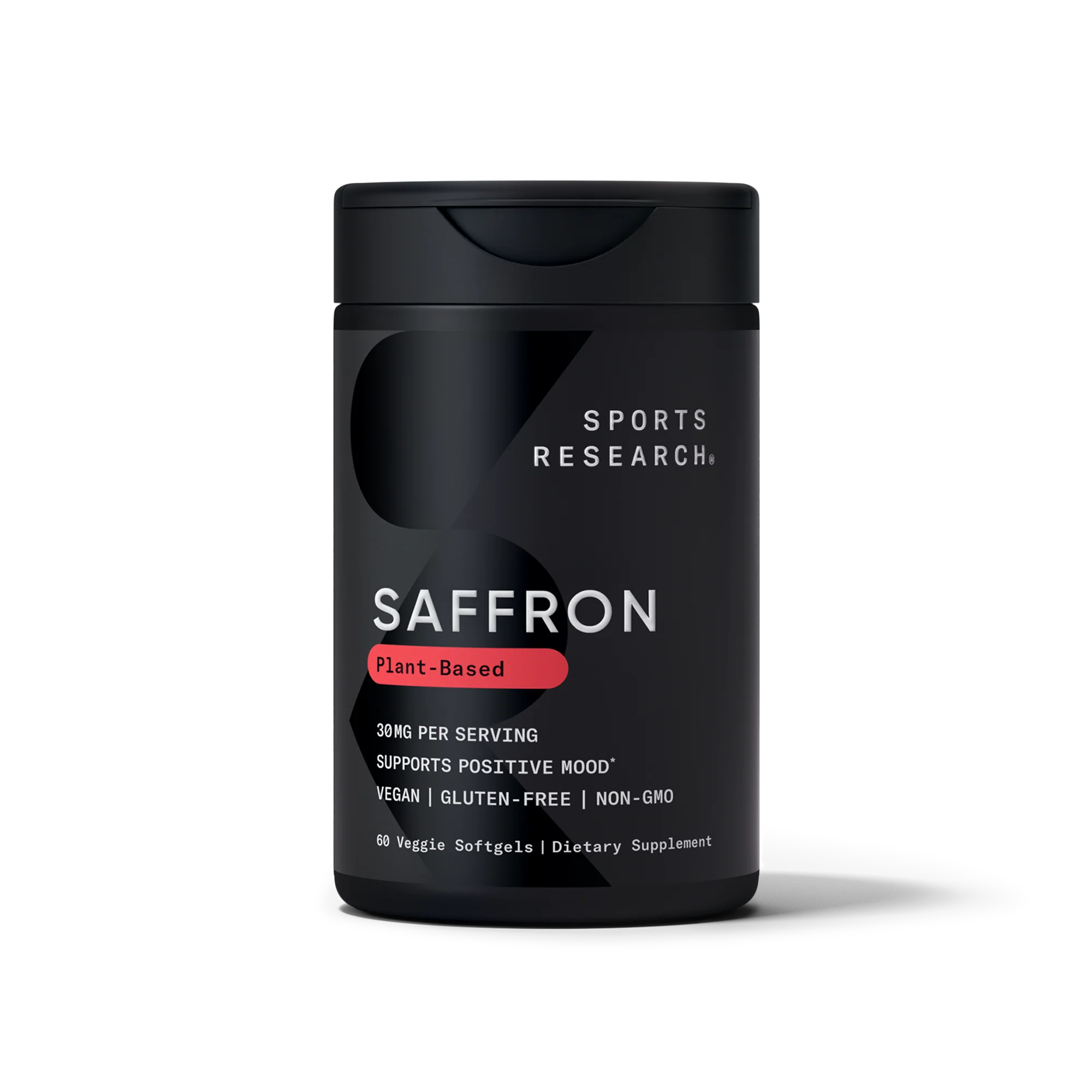
Saffron extract has a run of small randomized trials for low mood that are more consistent than you would expect from a spice. Evidence tier: Moderate, held back by small sample sizes and short durations rather than by contradictory results. Standardization matters, since the trials used specific extracts at defined doses. Our saffron for mood research walks through the trials and how to spot underdosed products; the saffron extract pick uses a trial-matched dose.
Vitamin D: worth it mainly if you are low
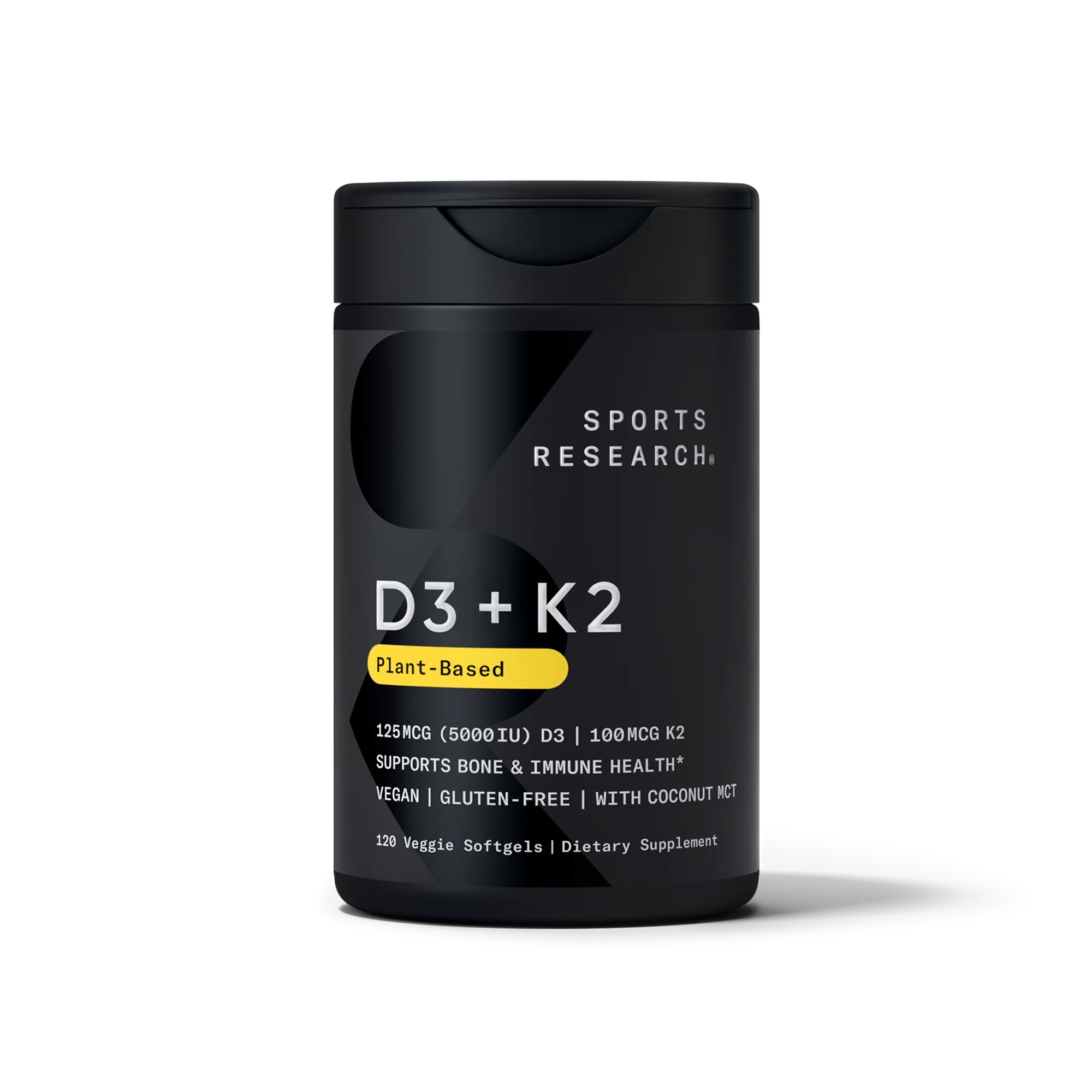
Vitamin D is the one to test before you supplement. Low vitamin D tracks with low mood in observational data, and correcting a real deficiency may help, but topping up a level that is already fine has not shown a clear mood effect. Evidence tier: Moderate, and conditional on your starting level. This matters seasonally, which we cover in the vitamin D and winter mood guide and the underlying vitamin D and winter mood post. Product details: vitamin D3.
5-HTP: real mechanism, real risk
5-HTP is the most direct serotonin precursor you can buy, which is exactly why it carries the most caution. Do not combine 5-HTP with SSRIs, SNRIs, MAOIs, or any other serotonergic medication. The combination can cause serotonin syndrome, a medical emergency. Its mood evidence is thin (tier: Emerging), and the safety conversation comes before the mood one. Read 5-HTP and serotonin safety in full before considering it, and see the 5-HTP pick. If you take any antidepressant, this one is off the table without medical supervision.
How to choose
Start with the strongest evidence and the lowest risk: omega-3 in an EPA-forward form is the sensible first move for most people. Saffron is a reasonable second, especially if you want a plant option. Vitamin D is worth it if a test shows you are low. 5-HTP sits last, gated behind its interaction risk. The five foundations of natural mood support covers the non-supplement basics like sleep, light, movement, and connection, which outperform any capsule for mood.
Add one supplement at a time so you can tell what helps, and talk to a doctor or pharmacist first, especially if you take any prescription medication. This page is general information, not medical advice; please read our disclaimer.