Winter mood guide
Vitamin D for Seasonal Depression: What the Evidence Says
Vitamin D and winter mood: what the seasonal-affective evidence actually supports, why testing beats guessing, and where omega-3 fits alongside it.
Our top pick: Sports ResearchUpdated July 2026

Winter mood, the seasonal dip in energy and spirits that comes with shorter, darker days, has one supplement more associated with it than any other: vitamin D. That story is conditional, though. Vitamin D helps winter mood mainly when you are genuinely low, which is common in the darker months but not universal, so testing beats guessing. And seasonal low mood that is significant is a medical matter, not just a supplement question. Here is what the evidence supports.
If your winter low mood is deep, persistent, or affects daily life, please read our note on getting help first. Seasonal depression is treatable, and light therapy and professional care exist alongside anything you take.
Vitamin D: worth it if you are low
Vitamin D is the supplement most tied to winter mood for a concrete reason: your skin makes it from sunlight, and winter cuts that supply, so deficiency is more common in the darker months. Low vitamin D is associated with low mood, and correcting a real deficiency may help, but topping up an adequate level has not shown a clear benefit. Evidence tier: Moderate, and conditional on your starting point. That is why a blood test is the sensible first move rather than a guessed dose. Our vitamin D and winter mood post covers the seasonal-affective evidence in depth, and the vitamin D3 pick pairs D3 with K2.
Omega-3: the broader-evidence companion
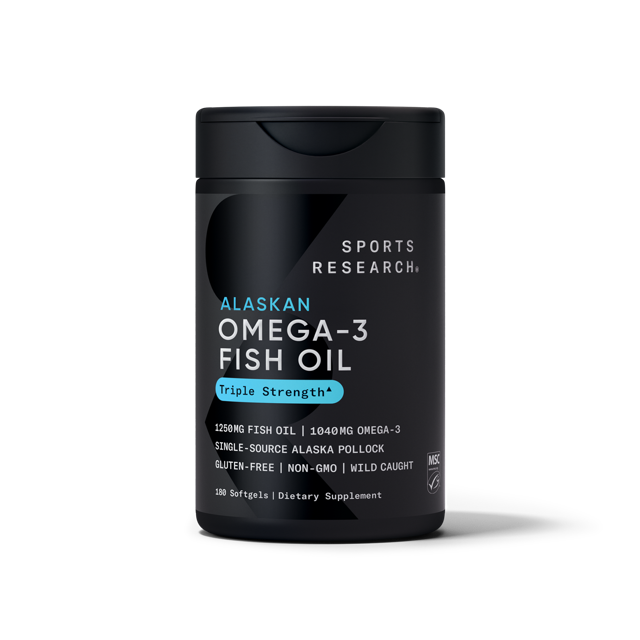
Omega-3 has the deeper mood evidence base and sits sensibly alongside vitamin D for winter low mood, particularly in an EPA-forward form. Evidence tier: Moderate. It is general mood support rather than a seasonal-specific treatment, and it pairs with correcting a vitamin D shortfall rather than replacing it. Our omega-3 and mood evidence covers the research; the omega-3 pick is EPA-forward and low-oxidation. For the fuller mood picture, see our low mood guide.
How to choose
Start with a test. If it shows you are low on vitamin D, common in winter, correcting it is the on-topic move at a dose your level justifies. Omega-3 is a reasonable steady companion for mood generally. But the most effective winter-mood tools are not in a bottle: daylight exposure, and light therapy where appropriate, address the actual cause, reduced light, more directly than any supplement. Treat these as support around those, and bring significant seasonal low mood to a clinician.
Add one supplement at a time so you can tell what helps, and talk to a doctor or pharmacist first, especially if you take other medication. This page is general information, not medical advice; please read our disclaimer.